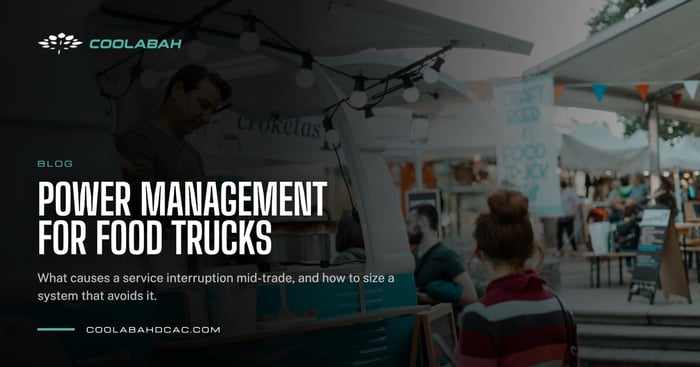
The food truck revolution has well and truly swept across Australia, transforming the culinary landscape of our suburbs. From city laneways to community festivals, food trucks offer a dynamic and exciting way to share culinary creations with the world.
But behind every successful food truck is a savvy business owner who understands that navigating the complex web of regulations is just as important as perfecting their signature menu item.
This guide provides a comprehensive overview of the food truck regulations in Australia, designed to help new entrants to the industry position themselves for success.
The National Framework: Food Standards Australia New Zealand (FSANZ)
At the heart of food regulation in Australia is the Food Standards Code, a set of standards developed and maintained by Food Standards Australia New Zealand (FSANZ). This code applies to all food businesses in Australia, including mobile food businesses. For food truck owners, the most critical parts of the code are:
- Standard 3.2.2 – Food Safety Practices and General Requirements: This standard outlines the responsibilities of food businesses to ensure that the food they sell is safe and suitable for human consumption. It covers everything from food handling and temperature control to the health and hygiene of food handlers.1
- Standard 3.2.3 – Food Premises and Equipment: This standard sets out the requirements for the design and construction of food premises, including mobile food vehicles. It covers aspects such as water supply, waste disposal, and the provision of facilities for cleaning and personal hygiene.1
- Part 1.2 – Labelling and Other Information Requirements: This part of the code specifies the information that must be provided to consumers, including allergen information and nutritional details where applicable.1
While the Food Standards Code provides a national framework, the day-to-day enforcement of these standards, as well as the licensing and permitting of food businesses, is the responsibility of state and territory governments and local councils.
State and Local Government Regulations
Each state and territory has its own set of regulations, and local councils often have their own specific requirements for mobile food businesses. This means that a food truck operating in Sydney may be subject to different rules than one operating in Melbourne or Brisbane. Generally, you will need to:
- Notify your local council: Before you start trading, you must notify the local council in the area where your vehicle is garaged. You may also need to notify other councils if you plan to operate in their jurisdictions.2
- Obtain a food business licence: Most councils will require you to obtain a food business licence before you can start operating. The application process will typically involve an inspection of your vehicle to ensure that it complies with the requirements of the Food Standards Code.3
- Comply with local trading conditions: Local councils may have specific rules about where and when you can operate your food truck. These may include restrictions on trading in certain areas, limits on operating hours, and requirements for noise and waste management.
For example, in New South Wales, the NSW Food Authority provides detailed guidelines for mobile food vending vehicles, covering everything from vehicle construction to food handling practices.2 It is essential to check with the relevant authorities in your state or territory and in each local council area where you plan to operate.
Non-Idling Laws and Environmental Compliance
While Australia does not have comprehensive federal anti-idling legislation, individual states have enacted regulations that food truck operators must understand and comply with. These laws are particularly relevant for food trucks that rely on traditional petrol or diesel generators, as the idling of these engines can result in significant fines and legal consequences.
In New South Wales, the Road Rules 2014 contain specific provisions regarding vehicle idling. Under these rules, you may be fined if you move more than 3 metres away from your vehicle while the engine is switched on, or if you start or drive your vehicle and create unnecessary noise or smoke4. Additionally, you may be fined if you fail to stop your vehicle's engine when stationary to prevent noise, unless you are stopped in traffic. These provisions are enforced under the Protection of the Environment Operations (Clean Air) Regulation 2022 for excessive smoke and the Protection of the Environment Operation (Noise Control) Regulation 2017 for excessive or offensive noise.
The implications of these regulations are significant for food truck operators.
A generator that is running while the vehicle is parked, or that produces excessive noise or smoke, could result in fines and complaints, particularly near schools or in residential areas.
One of the key advantages of switching to a battery-powered system is that it eliminates the idling problem. Battery systems do not require the vehicle engine to run, and they produce zero noise and zero emissions. This means you can operate your food truck in any location, including near schools and in residential areas, without fear of breaching non-idling regulations.
Key Compliance Areas for Food Trucks
To ensure that your food truck is compliant with all relevant regulations, you will need to pay close attention to the following key areas:
Vehicle and Premises Design
Your food truck must be designed and constructed to allow for the safe handling of food1. This includes:
- Handwashing facilities: You must have a dedicated handwashing basin with a supply of warm running water, soap, and single-use towels.
- Refrigeration: Your refrigeration units must be capable of keeping potentially hazardous foods at 5°C or colder.
- Hot-holding equipment: If you are serving hot food, you must have equipment that can maintain a temperature of 60°C or hotter.
- Ventilation: Your vehicle must have adequate ventilation to remove cooking fumes and heat.
- Water and waste: You must have a supply of potable water and a system for the hygienic disposal of wastewater and other rubbish.
Food Safety Practices
You and your staff must always follow safe food handling practices. This includes:
- Temperature control: Potentially hazardous foods must be kept either cold (at or below 5°C) or hot (at or above 60°C) to prevent the growth of harmful bacteria.
- Cross-contamination: You must take steps to prevent cross-contamination between raw and cooked foods.
- Cleaning and sanitising: All food contact surfaces must be regularly cleaned and sanitised.
Food Safety Supervisors and Training
Most states and territories require food businesses to have at least one staff member who has completed a certified food safety supervisor course.2 All food handlers must also have the skills and knowledge to handle food safely.
The Power Source: A Key Compliance and Business Consideration
The choice of power source for your food truck is a critical decision that can have a significant impact on your ability to comply with regulations and operate your business effectively. Traditionally, food trucks have relied on petrol or diesel generators for their power needs. However, these generators come with several drawbacks:
- Noise: Generators can be extremely noisy, which can be a nuisance for customers and may breach local noise restrictions.
- Fumes and emissions: Generators produce harmful fumes and emissions, including particulate matter and carbon monoxide, which can be a health hazard for both staff and customers. This can also restrict your ability to operate in certain locations, such as indoor events or areas with emissions restrictions.
- Maintenance: Generators require regular maintenance, including refuelling and oil changes, which can be a hassle for a busy food truck owner.
An increasingly popular alternative to traditional generators is a battery-powered system. These systems, such as the Australian-made lithium battery systems offered by Coolabah, provide a clean, quiet, and reliable source of power for your food truck. The benefits of a battery power system include:
- Zero noise and emissions: This allows you to operate in any location, including indoor events and emissions-restricted zones, without disturbing your customers or breaching regulations.
- Happier workers and customers: A quiet, fume-free environment is more pleasant for everyone.
- No fuel handling or maintenance: This saves you time and money and eliminates the safety risks associated with handling flammable fuels.
By investing in a battery-powered system, you can not only ensure that your food truck is compliant with all relevant regulations, but you can also create a more pleasant and professional environment for your staff and customers.
Starting a food truck is an exciting venture, but it is essential to do your homework and ensure that you are compliant with all relevant regulations. By understanding the requirements of the Food Standards Code and your local council, and by making smart choices about your equipment, including your power source, you can set your business up for long-term success. With the right planning and preparation, you can turn your food truck dream into a thriving reality.
References
[1] Food Standards Australia New Zealand. (2025, September 30). Mobile food business. https://www.foodstandards.gov.au/business/food-safety/mobile-food-business
[2] NSW Food Authority. (n.d.). Mobile food vendors. https://www.foodauthority.nsw.gov.au/retail/mobile-food-vendors
[3] Bella Manufacturing. (2025, March 18). Food Truck Permits and Regulations in Australia. https://www.bellamanufacturing.com.au/news/food-truck-permits-regulations/ [
4] NSW Environment Protection Authority. (2025, December 1). Vehicle idling. https://www.epa.nsw.gov.au/Your-environment/Air/reducing-motor-vehicle-emissions/Vehicle-idling